Industry · July 24, 2026
Blood Sugar and the Scalpel: Why the Better Practices Check Your HbA1c Before Cosmetic Surgery
A single blood test that reads your average blood sugar over three months predicts wound healing and infection risk better than almost anything else on the pre-operative checklist, and because cosmetic surgery is elective, an uncontrolled number is one of the few reasons a careful surgeon will tell you to wait. Here is what HbA1c actually measures, the thresholds where good practices pause, why tighter is not always safer on the day of surgery, and why patients who have never been told they are diabetic are part of this conversation too.
By The Editorial Desk
8 min read
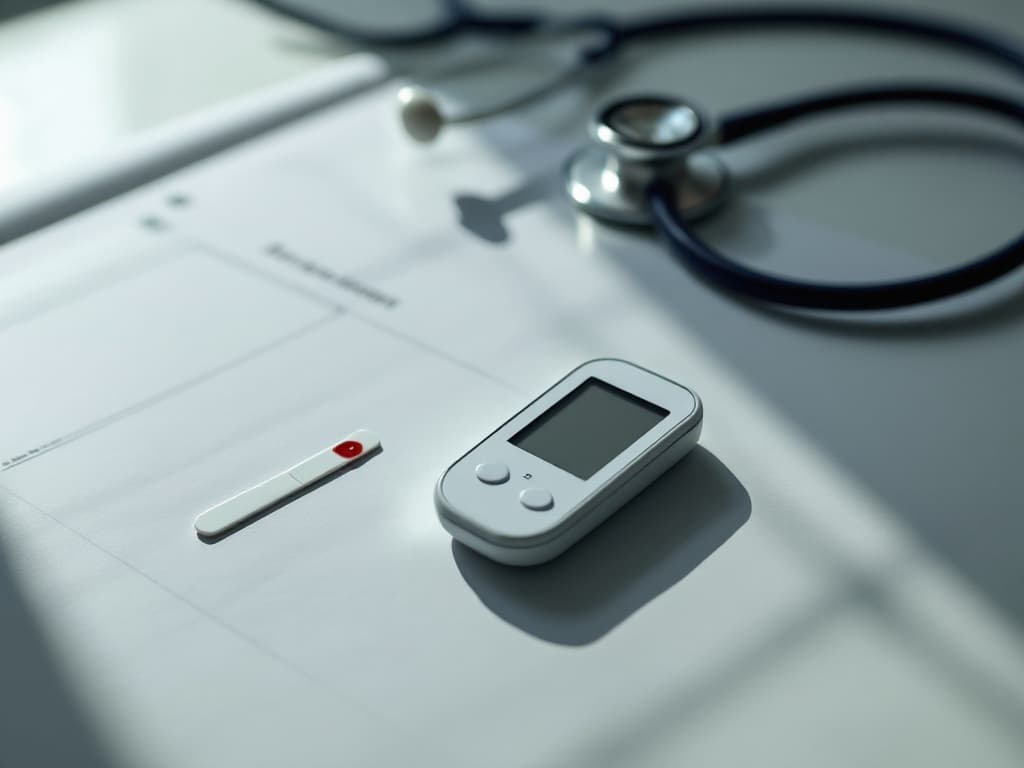
Most of the pre-operative workup for an elective cosmetic procedure is a formality: a basic panel, maybe an EKG, a medication review. One number on that panel does more predictive work than the rest combined, and most patients have never heard of it until a surgeon points at it. Glycated hemoglobin, written HbA1c, is a measure of how much sugar has been riding around on your red blood cells, and it turns out to be one of the strongest modifiable predictors of whether an incision heals cleanly or turns into a complication. The reason it matters more in aesthetic surgery than almost anywhere else is simple. This surgery is elective. There is no clock forcing the operation to happen on an uncontrolled number, which means an uncontrolled number is one of the few honest reasons a good surgeon will decline to operate today.
HbA1c is a three-month record, not a morning reading
The short answer: a fasting glucose tells you where your blood sugar is this morning, while HbA1c tells you where it has been living for the last three months.
Red blood cells circulate for roughly 120 days, and glucose in the bloodstream binds to the hemoglobin inside them in proportion to how much sugar is present. Measure the percentage of hemoglobin that carries that sugar and you get a weighted average of blood glucose over the lifespan of those cells, which is why HbA1c cannot be gamed by skipping breakfast or eating clean for two days before the draw. The American Diabetes Association reads the number in bands: below 5.7 percent is normal, 5.7 to 6.4 percent is prediabetes, and 6.5 percent or higher on two occasions meets the definition of diabetes. A surgeon looking at that value is not diagnosing anything. They are reading a three-month behavior report on the tissue they are about to cut.
That distinction is the whole point. A patient can arrive with a reassuring fasting glucose and an HbA1c of 9 percent, which tells the surgeon that the reassuring morning number is an outlier in a sea of high ones. The wound does not heal in the average of one good morning. It heals in the metabolic environment of the preceding months.
High blood sugar sabotages the exact processes a wound needs
The short answer: elevated glucose impairs the specific biological steps that close an incision, which is why the surgical-site infection and wound-healing data track so tightly with glycemic control.
Wound healing depends on a short list of processes, and hyperglycemia degrades most of them at once. High glucose blunts neutrophil function, so the white cells that patrol an incision for bacteria arrive slower and work less effectively. It impairs collagen synthesis, the structural protein that gives a healing wound its strength. It compromises angiogenesis, the growth of the new microvessels that deliver oxygen to the repairing tissue, and it stiffens the small vessels already there, so perfusion at the wound edge drops precisely where it is needed most. The result shows up in the numbers. Across surgical specialties, poorly controlled diabetes is associated with materially higher rates of surgical-site infection, wound dehiscence, and delayed healing, and the Centers for Disease Control and Prevention lists diabetes and perioperative hyperglycemia among the modifiable risk factors in its surgical-site infection prevention guidance.
For an aesthetic operation the stakes are specific. A facelift flap, a tummy-tuck closure under tension, or a breast reduction with long incisions all depend on the skin edge staying alive and sealing on schedule. A wound complication in reconstructive surgery is a setback. In cosmetic surgery, where the entire product is the appearance of the scar, a healing failure is the outcome the patient paid to avoid.
"Cosmetic surgery is elective, and that is exactly why an uncontrolled HbA1c is a reason to wait rather than a risk to accept. The number is modifiable, the operation is not urgent, and no scar is worth trading for a few impatient months.
"
The number where elective surgery should wait
The short answer: there is no single universal cutoff, but many practices and enhanced-recovery protocols defer elective surgery when HbA1c runs high, commonly citing thresholds around 8 percent, with some centers holding a stricter line near 7 percent.
The evidence does not draw one bright line, and honest surgeons say so. What the literature supports is a dose-response relationship: the higher the HbA1c, the higher the wound and infection risk, with the curve steepening in the poorly controlled range. Various surgical and anesthesia bodies have converged on the practice of optimizing before elective procedures rather than proceeding on a high number, and many institutional protocols use a value in the 8 to 8.5 percent range as the point to postpone and refer for glycemic optimization, while some plastic surgeons apply a tighter personal threshold. The exact figure matters less than the logic. Because the surgery is elective, the sensible move when the number is high is to spend a few months lowering it, which is a change that measurably reduces risk, rather than accepting a preventable hazard for the convenience of an earlier date.
This is also where a patient learns something about a practice. A surgeon who checks the value, explains what it means, and is willing to say not yet is demonstrating the judgment that makes elective surgery safe. A practice that never checks, or checks and proceeds regardless, has told you how it weighs a booked case against a healing risk.
Tighter is not automatically safer on the day of surgery
The short answer: controlling blood sugar over the months before surgery is unambiguously good, but on the day of the operation the target is a moderate range, because pushing glucose too low creates its own danger.
Perioperative glucose management is a separate discipline from long-term control, and it has its own evidence. Major guidance from surgical and critical-care literature settled on a moderate intraoperative and perioperative target, commonly cited around 140 to 180 mg/dL, rather than aggressive normalization. The reason is the NICE-SUGAR trial and the work around it, which showed that very tight glucose control in acutely ill surgical and ICU patients increased episodes of hypoglycemia and did not improve, and in some analyses worsened, outcomes. Hypoglycemia under anesthesia is particularly treacherous because the sedated patient cannot report the warning symptoms, so the anesthesia team is managing a hazard the patient cannot feel. The takeaway for a patient is that the goal is a controlled and stable range, not the lowest possible number, and that the months-long project of lowering HbA1c is a different task from the hours-long project of keeping glucose steady in the operating room.
People without a diabetes diagnosis are in this conversation too
The short answer: a meaningful share of adults with diabetes do not know they have it, and stress hyperglycemia can push even non-diabetic patients into a risky range around surgery, which is why the check is not only for people who already carry the diagnosis.
The Centers for Disease Control and Prevention estimates that roughly one in five American adults with diabetes is undiagnosed, which means a pre-operative HbA1c occasionally catches a patient who had no idea, and does so at a moment when it can actually change the plan. Beyond undiagnosed disease, surgery itself is a physiological stressor that raises blood sugar through the cortisol and catecholamine response, and perioperative steroids given for nausea or swelling nudge it further. Studies of stress hyperglycemia have found that elevated glucose around the time of surgery predicts complications even in patients who were never diabetic, which reframes the test as a screen rather than a diabetic's formality. The GLP-1 medications that so many aesthetic patients now take add another wrinkle, because rapid weight change and shifting metabolic control are part of the same picture a surgeon is trying to read before committing to an operation. None of this is a reason for alarm. It is a reason the cheap, three-month blood test earns its place on the checklist for more people than the word diabetes would suggest.
The honest summary
HbA1c is the rare pre-operative number that is both highly predictive and highly fixable, and the combination is what makes it matter so much in elective aesthetic surgery. It reads three months of blood sugar in a single value, it tracks closely with the wound-healing and infection risks that define a good or bad cosmetic result, and unlike age or genetics it responds to a few months of effort. The practices worth trusting treat a high number the way the evidence suggests: not as a disqualification and not as something to ignore, but as a reason to spend a season getting it down before spending money on an operation whose entire value is a clean, well-healed result. On the day itself the priority flips to a steady, moderate range rather than an aggressively low one, because the hazard of the operating room is the low the sedated patient cannot feel. For a patient, the practical move is short. Ask whether the practice checks the number, ask what value would make them wait, and ask who is watching your blood sugar while you are asleep. A surgeon who answers those clearly has already told you they are planning for your healing and not just your appointment. Because the surgery is optional, the willingness to wait for the right number is one of the clearest signals of judgment a patient can actually see.
Related reading: BMI Limits and Cosmetic Surgery, Pre-Op Smoking Cessation Timelines, and The Supplement Stop List Before Surgery.