Industry · July 15, 2026
Long-Term Breast Implant Surveillance: What Patients Should Actually Do
Almost every breast implant consultation covers the surgery in exhaustive detail and the next twenty years in a sentence. That is backwards. Implants are medical devices that sit in the body for decades, and the guidance on how to watch them has quietly changed. The FDA now recommends imaging on a specific schedule, the two implant types need completely different monitoring, and there is one late symptom that patients are almost never warned to report. Here is what long-term breast implant surveillance actually involves, and what most people are not told at the original consultation.
By The Editorial Desk
6 min read
Breast implant surveillance is the part of the procedure that nobody schedules. The operation gets an hour of consultation, a signed consent form, and a follow-up visit two weeks later. The next two decades, during which the device actually lives in the body, get a shrug and a vague "come back if something feels wrong." That imbalance is the single most common failure in how implants are managed, and it is entirely fixable, because the surgical societies and the Food and Drug Administration have published clear guidance on what long-term monitoring should look like. The problem is not that the recommendations do not exist. It is that they are rarely handed to the patient at the consultation, where the conversation is about size and shape rather than about the fifteen years after the swelling goes down. Here is what the surveillance actually involves, why it differs by implant type, and what a patient should be watching for on their own.
What breast implant surveillance actually means
The short answer: surveillance is scheduled imaging to catch problems that produce no symptoms, plus self-monitoring for the ones that do.
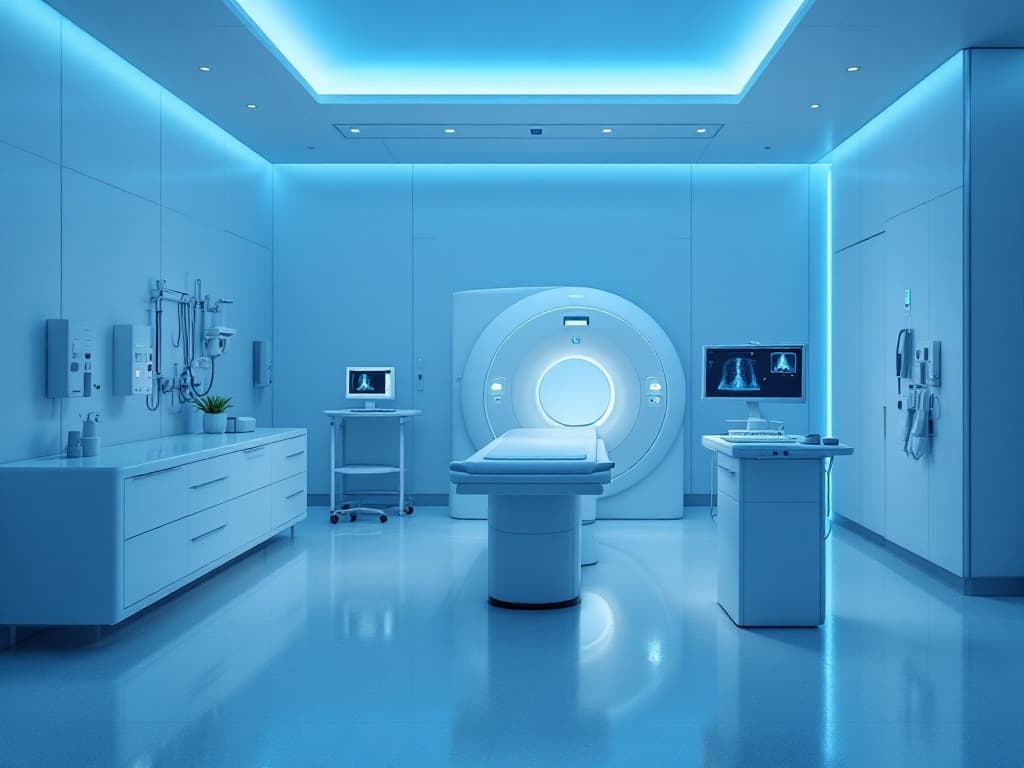
Implants are not "set and forget" devices, and the reason is straightforward. The most consequential complication of a silicone gel implant, a rupture of the shell, frequently produces no pain, no visible change, and no lump. The cohesive gel stays roughly in place inside the scar capsule, so the patient feels nothing and the breast looks unchanged. This is called silent rupture, and it is the reason imaging exists as a recommendation at all. You cannot monitor for something you cannot feel by feeling for it. Under the FDA's updated guidance, patients with silicone gel implants should get imaging to screen for silent rupture starting 5 to 6 years after surgery, and then every 2 to 3 years after that. The screen can be either a magnetic resonance imaging scan (MRI) or a high-resolution ultrasound. That schedule replaced an older, more aggressive one, and many patients who had implants placed years ago were quoted the old numbers and never updated.
Why saline and silicone are monitored completely differently
The short answer: saline rupture announces itself, so it needs no imaging schedule. Silicone rupture hides, so it does.
The two implant types fail in opposite ways, and this dictates the entire surveillance strategy. A saline implant is a shell filled with sterile salt water. When it ruptures, the water leaks out and the body absorbs it harmlessly, and the breast visibly deflates over hours to days. There is nothing subtle about it. For that reason, saline implants do not carry a routine imaging recommendation for rupture, because the patient will know. Silicone gel is the opposite. The gel is cohesive and stays put, which is a virtue for the look and feel of the implant but a problem for detection, because a shell can crack and leak without any outward sign for years. That single difference, whether the failure mode is obvious or invisible, is why a patient with silicone implants has an imaging schedule and a patient with saline does not. Anyone quoting a one-size-fits-all monitoring plan for both types has skipped the most basic distinction.
"The most serious problem with a silicone implant is the one you cannot feel. That is not a reason for anxiety. It is the entire reason imaging surveillance exists, and the entire reason skipping it is a genuine gap rather than an optional extra.
"
The late symptom almost nobody is told to report
The short answer: new swelling in one breast years after surgery is not normal and needs to be evaluated, not watched.
There is a specific late finding that patients are rarely warned about, and it matters. A breast that suddenly becomes larger, firmer, or swollen many years after a stable result, usually from fluid collecting around the implant, deserves prompt evaluation rather than a wait-and-see. The reason is that late, unexplained swelling around a textured implant is the classic presentation of BIA-ALCL, a rare cancer of the immune system that is associated with breast implants and is treatable, often curable, when it is caught early. It is not breast cancer and it is not common, but it is the reason "report new one-sided swelling right away" belongs in every discharge conversation and almost never appears in one. The FDA maintains active surveillance of these cases and has published guidance for both patients and surgeons. The practical takeaway is simple: a delayed change in one breast, even a decade out, is a call-the-surgeon event, not a monitor-at-home one.
Why "implants are not lifetime devices" is the sentence patients miss
The short answer: implants have no fixed expiration date, but the risk of a problem that needs surgery climbs the longer they are in.
The FDA is explicit that breast implants are not lifetime devices, and it is worth sitting with what that means, because it is routinely misunderstood in both directions. It does not mean implants expire on a schedule and must be swapped at ten years, a myth that sells unnecessary operations. Nor does it mean they last forever untouched. What it means is that the longer an implant is in place, the higher the cumulative chance of a complication that requires further surgery: rupture, capsular contracture (a tightening of the scar tissue that can distort or harden the breast), malposition, or a change the patient simply wants revised. Most people with implants will have at least one additional operation over their lifetime, whether for a complication or an elective revision. Planning for that as a probability rather than being blindsided by it is the difference between an informed patient and a surprised one. Surveillance is what turns a sudden problem into a scheduled one.
The honest summary
Long-term breast implant surveillance is the least discussed and most neglected part of the entire process, and it should not be. The rules are not complicated. If you have silicone gel implants, you should have imaging, MRI or ultrasound, starting 5 to 6 years after surgery and every 2 to 3 years after that, because the most serious failure is silent. If you have saline implants, rupture will announce itself with visible deflation, so there is no routine imaging schedule, but the same self-monitoring applies. Regardless of type, new one-sided swelling years down the line is a reason to call your surgeon promptly, not a symptom to observe. And no implant is a lifetime device, so a future operation should be treated as a likelihood to plan for, not a betrayal to be shocked by.
The useful posture is neither anxiety nor neglect. Get the imaging schedule in writing at the original consultation, know which symptoms are call-now versus watch-at-home, and keep a record of your implant type, model, and placement date, because you will want it years from now when a new physician asks. A surgeon who builds that plan with you on day one is practicing long-term medicine. One who treats the surgery as the finish line has handed you a device and walked away from the decade that matters most.
Related reading: Do Breast Implants Need to Be Replaced? and Breast Imaging After Implants and Fat Transfer.