Industry · August 31, 2026
Numbing Cream Before Cosmetic Procedures: The Two Deaths Behind the FDA's Warning, Why Surface Area and Plastic Wrap Matter More Than Percentage, and the Questions to Ask Before Anyone Slathers Your Skin
The tube of numbing cream is the least examined drug in aesthetics. It is handed out before laser sessions, sold next to microneedling rollers, and applied in med spa back rooms at concentrations no pharmacy shelf would carry, and almost nobody involved treats it as what it is: a local anesthetic entering the bloodstream through the skin. The FDA has been writing warnings about this since two young women died after doing exactly what their laser clinics suggested, and the agency was at it again in 2024, because the creams got stronger and the instructions never got better. The variables that decide whether a numbing cream is trivial or dangerous are not printed on the label, and they are worth five minutes of any patient's attention.
By The Editorial Desk
8 min read
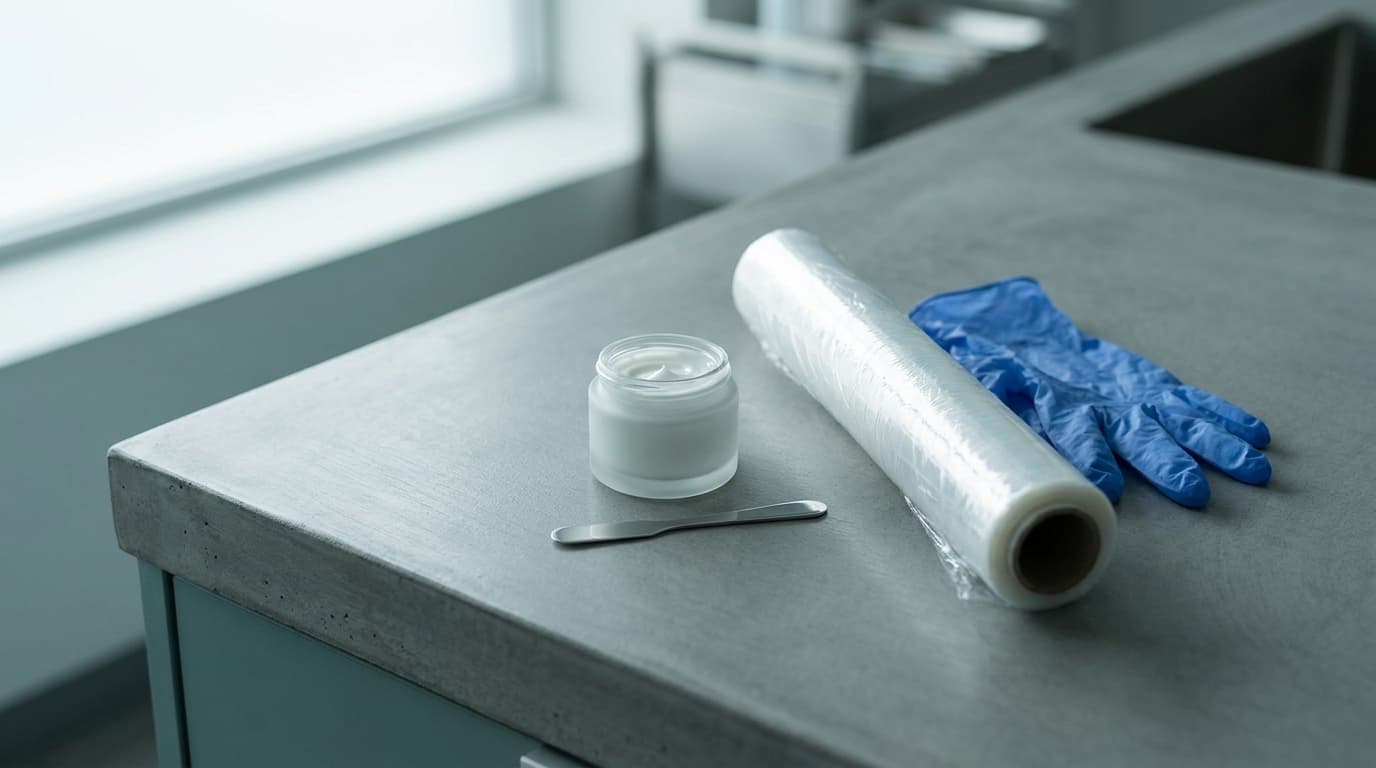
Numbing cream occupies a strange place in the aesthetic industry's mental map of risk. Patients who would never dream of taking an unlabeled pill will spread an unlabeled anesthetic compound over both legs, wrap the whole thing in plastic because a technician suggested it, and sit in a car for an hour while the drug moves through their skin into their circulation. The cream feels like skincare. Pharmacologically, it is a slow intravenous infusion with extra steps, and the dose depends on variables nobody at the counter is calculating: concentration, surface area, occlusion, and how intact the skin barrier is.
Most of the time this goes fine, which is exactly why the corrections keep having to come from the Food and Drug Administration rather than from the market. The FDA's file on topical anesthetics now spans two decades, opens with two deaths, and was updated as recently as 2024, when the agency sent warning letters over creams sold openly online at concentrations several times the legal over-the-counter limit. The story in that file is consistent: the danger was never the drug itself. It was the casualness.
The deaths that put numbing cream in the FDA's warning system
The short answer: in 2005, two women in their twenties suffered seizures, fell into comas, and died after applying compounded high-dose lidocaine and tetracaine creams to their legs before laser hair removal appointments, and the FDA's 2007 public health advisory on topical anesthetics was written directly on their cases.
Both cases followed the same script. Each woman was preparing for laser hair removal on the legs, a large treatment area by any standard. Each was given or sold a compounded anesthetic cream far stronger than anything approved for retail sale, in one case a gel compounded with 10 percent lidocaine and 10 percent tetracaine. Each was instructed to apply it broadly at home and cover the skin with plastic wrap to boost the effect. One of them, a 22-year-old college student from North Carolina, seized while driving to her appointment, spent days in a coma, and died. The other, a 25-year-old from Arizona, suffered seizures, sustained irreversible brain injury, and died after a prolonged coma. Neither had done anything reckless by the standards of the industry that served them. They followed instructions.
The FDA's advisory, issued in February 2007 and reinforced in 2009 with warning letters to compounding pharmacies producing high-dose anesthetic creams, made the mechanism explicit: topical anesthetics applied to large areas of skin, at high concentrations, under occlusion, can produce blood levels high enough to cause seizures, irregular heart rhythms, and death. The agency was not describing an allergy or a freak sensitivity. It was describing ordinary dose-dependent drug toxicity, delivered through a route everyone involved had stopped thinking of as drug delivery.
How a cream reaches the heart: the four variables that set the dose
The short answer: the systemic dose from a topical anesthetic is set by concentration multiplied by surface area, amplified by occlusion and by any break in the skin barrier, which is why a strong cream on two full legs under plastic wrap can deliver more drug than an injection, and why the same tube used on a two-inch square is trivial.
Local anesthetics like lidocaine and tetracaine are designed to penetrate tissue and block sodium channels in nerves. Skin slows them down but does not stop them, and once through, the drug enters the bloodstream and travels to the two organs that care most about sodium channels: the brain and the heart. The clinical syndrome is called local anesthetic systemic toxicity, and anesthesiologists train for it the way pilots train for engine failure, because it progresses from ringing ears, metallic taste, and agitation to seizures, and from seizures to cardiac arrhythmias that are notoriously difficult to resuscitate. The American Society of Regional Anesthesia and Pain Medicine publishes a dedicated rescue checklist for it, built around intravenous lipid emulsion, precisely because the window between early symptoms and cardiovascular collapse can be short.
What makes the topical route treacherous is that every variable is invisible at the point of use. Double the concentration and the absorbed dose climbs. Treat both legs instead of an upper lip and the absorbing surface grows by a factor of fifty or more. Wrap the area in plastic and the cream cannot dry, the skin hydrates and warms, and absorption rises severalfold: occlusion is a standard pharmaceutical technique for pushing drugs through skin, which is exactly why laser clinics recommended it and exactly why it belongs nowhere near a high-dose compound. Apply the cream to skin that has just been microneedled, dermaplaned, waxed, or lasered, and the barrier that was doing most of the protective work is gone. The approved products manage these variables with labeled limits: the prescription lidocaine and prilocaine cream sold as EMLA carries explicit maximums for dose, treatment area, and application time. The compounded and imported products that circulate in aesthetics carry no such arithmetic, and the person applying them is usually not doing it either.
"A numbing cream is a slow intravenous infusion with extra steps. The dose is concentration times surface area, multiplied by occlusion and broken skin, and none of those variables are printed on the tube.
"
The regulatory gap: 4 percent on the shelf, 20 percent in the back room
The short answer: over-the-counter external anesthetics are capped at 4 percent lidocaine under FDA rules, but compounded blends used before cosmetic procedures routinely run far higher, and in April 2024 the FDA sent warning letters to six companies selling creams of up to three times the legal limit, marketed specifically for use before microneedling, waxing, and tattooing.
The retail cap exists because 4 percent lidocaine, applied to modest areas of intact skin without occlusion, has a wide safety margin. The aesthetic industry's working products live well above that line. Med spas and laser clinics commonly use compounded blends known by their initials, such as BLT, a mixture of benzocaine, lidocaine, and tetracaine in concentrations like 20, 6, and 4 percent. In trained hands, applied to a limited area for a limited time and wiped off completely before treatment, these compounds have a legitimate role: laser and energy-based treatments genuinely hurt, and adequate numbing is part of doing them humanely. The problem is that the same compounds are handed to patients for home application, sold online with heroic percentages as a selling point, and applied by whoever happens to be staffing the room, a version of the same supervision question that runs through the whole med spa delegation problem.
The 2024 warning letters are worth reading as a market snapshot. The FDA cited products with lidocaine concentrations above the over-the-counter maximum, sold directly to consumers with instructions to apply before cosmetic procedures that disrupt the skin barrier, and noted the obvious: putting a super-potent anesthetic on skin that is about to be punctured a few thousand times by a microneedling device is the exact scenario the 2007 advisory warned about, minus the professional supervision. Nearly twenty years separate the two documents, and the underlying practice had not improved. It had migrated from the compounding pharmacy to the e-commerce checkout.
Benzocaine's separate problem: the blood that stops carrying oxygen
The short answer: benzocaine, the workhorse of many numbing blends and throat sprays, can trigger methemoglobinemia, a condition in which the blood's hemoglobin is chemically altered so it cannot release oxygen, and the FDA has issued repeated warnings about it, including a 2018 action that effectively ended over-the-counter benzocaine teething products.
Methemoglobinemia is a different mechanism from the seizure-and-arrhythmia toxicity of lidocaine, and in some ways a sneakier one. The oxidized hemoglobin turns the patient an ashen gray-blue, the pulse oximeter reads numbers that no longer mean what they usually mean, and supplemental oxygen does not fix it, because the problem is not oxygen supply but hemoglobin that will not do its job. The treatment is a specific antidote, methylene blue, which is stocked in hospitals and not in med spa treatment rooms. Benzocaine is the most frequently implicated topical anesthetic, the reaction is idiosyncratic (it does not require a heroic overdose), and cases have followed ordinary sprays and gels. It is a rare event. It is also the reason a 20 percent benzocaine blend applied over a large area, in a facility with no monitoring and no antidote, is a different proposition from the same blend used sparingly in an accredited setting, a distinction the aesthetic industry's staffing habits do not reliably honor. The physiology rhymes with the tumescent lidocaine story in liposuction: the anesthetic is not the villain, but the margin lives entirely in the hands and the arithmetic of the person deploying it.
The honest summary
Topical anesthetics are real drugs delivered through a route that makes the dose invisible. Used the way the approved labels describe (modest concentrations, small areas, intact skin, limited time, no wrap), they are safe and genuinely useful, and nobody should sit through a laser session in needless pain out of fear of a cream. The record of harm is not a record of freak reactions. It is a record of arithmetic: high-concentration compounds, large surface areas, plastic wrap occlusion, broken skin barriers, and unsupervised home application, stacked on top of each other for the convenience of a booking schedule. Two women died that way in 2005, the FDA said so plainly in 2007, and the agency was still sending warning letters about the same practice in 2024, this time aimed at creams sold online at multiples of the legal retail strength.
The protective questions are short. What concentration, how much skin, wrapped or not, watched by whom. A practice that answers them precisely is doing medicine. A practice that hands you a tube and a roll of cling film is doing marketing with a drug in it, and the fact that the drug arrives as a cream does not change what it is.