Industry · June 5, 2026
Awake Liposuction: Where the Evidence Has Landed
Awake liposuction, performed under local tumescent anesthesia instead of general anesthesia, has moved from a niche dermatology technique to a mainstream option marketed by clinics on speed and low downtime. The safety record is genuinely strong when the technique stays inside its limits. The honest read is that awake protocols solved a real problem with general anesthesia, but the marketing has stretched the procedure past the volume and the body areas it was designed for.
5 min read
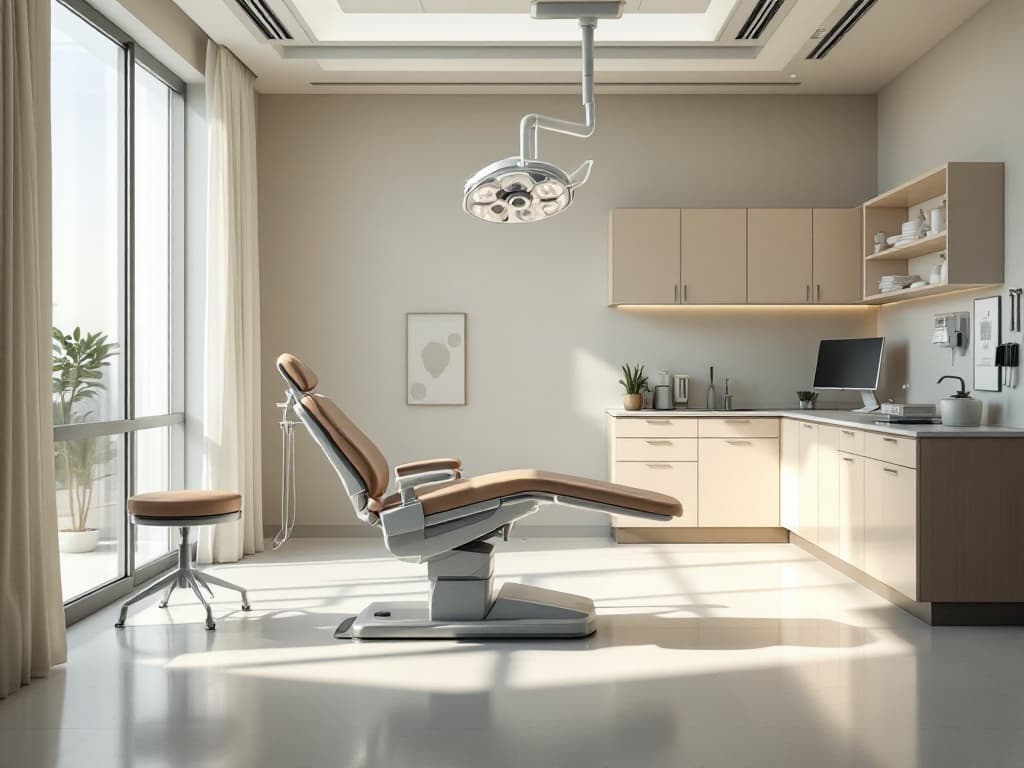
Awake liposuction is fat removal performed while the patient is conscious, numbed by a large volume of dilute local anesthetic injected into the fat rather than put under general anesthesia. The technique is built on the tumescent method, developed by the dermatologist Jeffrey Klein in the 1980s, and it has spent the last decade moving from specialist practices into general marketing. The safety data behind it is, on its own terms, excellent. The complication that gets the attention with traditional liposuction, the risk that comes with general anesthesia, is largely removed when the patient stays awake. The question worth asking is not whether awake liposuction is safe. It is whether the version being sold to you is the version the evidence actually supports.
What "awake" actually changes
The short answer: awake liposuction changes the anesthesia, not the suction. The fat is still removed through a cannula. What differs is that the treatment area is flooded with tumescent fluid, a dilute solution of lidocaine and epinephrine, which numbs the tissue, shrinks the blood vessels to limit bleeding, and firms the fat so it is easier to remove evenly. The patient is awake, sometimes lightly sedated, and the procedure happens in an office-based surgical suite rather than a hospital operating room.
The reason this matters is that general anesthesia carries a small but real risk profile, and removing it removes that risk. The American Society of Plastic Surgeons has long identified anesthesia as one of the variables that determines where a liposuction case should be performed and by whom. When you take general anesthesia out of the equation, you also take out the deepest layer of monitoring, the airway management, and the recovery time that comes with being fully sedated. For the right case, that is a clean win. The patient walks out the same day, the bruising is often lighter because of the epinephrine, and the cardiovascular stress of going under is avoided entirely.
"The honest distinction is not awake versus asleep. It is small-volume versus large-volume. Awake liposuction is the correct tool for a defined, modest amount of fat, and a poor fit for a case that needs the control of a fully anesthetized patient.
"
Where the safety record is strong, and where it ends
The tumescent technique has one of the better safety records in cosmetic surgery, and that record is not an accident. It comes from a specific constraint: the total dose of lidocaine a body can tolerate caps how much area can be treated in a single session. That ceiling is a feature. It keeps awake cases small by design, and small cases are safer cases. Peer-reviewed work in the dermatology and plastic surgery literature has consistently found low rates of serious complications when tumescent liposuction is performed within its dosing limits in an accredited facility.
The trouble starts when a practice treats the awake label as a selling point rather than a constraint. The safety record belongs to the technique used as intended: modest volumes, well-defined areas, a single session that stays under the lidocaine ceiling. Stretch the same procedure to remove a large volume, or to treat a wide area that really needs general anesthesia for control and comfort, and you are no longer inside the data that makes awake liposuction look safe. You are improvising past it. The AAAASF and the other accreditation bodies set facility standards precisely because office-based surgery is only as safe as the room, the monitoring, and the limits the surgeon agrees to respect.
What it cannot replace
Awake liposuction cannot replace the cases that genuinely need a fully anesthetized, controlled field. Large-volume body contouring, procedures combined with a tummy tuck or other surgery, and patients who cannot stay comfortably still for an extended awake session all sit outside its range. It also does not replace skin. Liposuction of any kind removes fat, not loose tissue, and a patient with significant skin laxity will not get a better result simply because the fat came out while they were awake. The awake route changes the anesthesia and the setting. It does not change the underlying rule that the right candidate is someone with good skin tone and a localized deposit of fat.
There is also a comfort ceiling that the marketing tends to skip. Awake means the patient feels pressure, movement, and the limits of local numbing across a long procedure. For a small area that is a minor tradeoff. For a large or multi-area case, the awake experience itself becomes a reason to choose general anesthesia, independent of safety. ASPS member surveys tracking how surgeons select anesthesia reflect this: the choice is made case by case, weighed against volume, duration, and the patient, not applied as a blanket policy because one approach markets better.
The honest summary
Awake liposuction earned its strong reputation, and the safety record is real. Tumescent local anesthesia removed the largest risk associated with traditional liposuction, the lidocaine ceiling keeps cases appropriately small, and an accredited office setting handles those cases well. For a patient with a defined, modest deposit of fat and good skin tone, an awake procedure is often the better choice on both safety and convenience.
The caution is about scope, not safety. The evidence supports the technique inside its limits, and the marketing has a habit of carrying the safety story past those limits to sell larger and broader cases than the data covers. The useful question is never whether awake liposuction is safe in the abstract. It is whether your specific case, your volume, and your anatomy fit inside the range where that safety was actually measured. A surgeon who answers that with a clear number and a clear cutoff is reading the evidence correctly. One who answers with the word "awake" and a reassuring tone is reading the brochure.